


Today marks the 11th International Day of Women and Girls in Science. It "celebrates the remarkable contributions of women in science and raises awareness that science and gender equality must advance hand-in-hand to address the world’s major challenges." (https://www.unesco.org/en/days/women-girls-science).
To mark the occasion, we asked our female members why it is worthwhile for women to work in science and why we need women in science. Here are some contributions:
Paula Schweizer (Universität Leipzig)
"Hallo zusammen! Mein Name ist Paula Schweizer. Ich bin Tierärztin und Doktorandin an der Universität Leipzig mit Schwerpunkt Infektionsmedizin. Was mich an meinem Forschungsbereich fasziniert, ist die Vielseitigkeit bei gleichzeitig starker Vernetzung mit anderen Disziplinen. Täglich neue Herausforderungen machen die Arbeit besonders spannend.
Dankbar bin ich für all die Menschen, die mich geprägt haben: Mentor:innen, Kolleg:innen und die internationale Wissenschaftscommunity. Sie haben sowohl meinen fachlichen als auch persönlichen Horizont erweitert und mir gezeigt, dass wir gemeinsam selbst große Probleme anpacken können.
Meine Arbeit empfinde ich als sinnvoll. Deshalb möchte ich alle ermutigen, ihren Weg in der Wissenschaft zu finden – und besonders dazu beizutragen, langfristige Karrierewege für Frauen in der Wissenschaft zu schaffen.
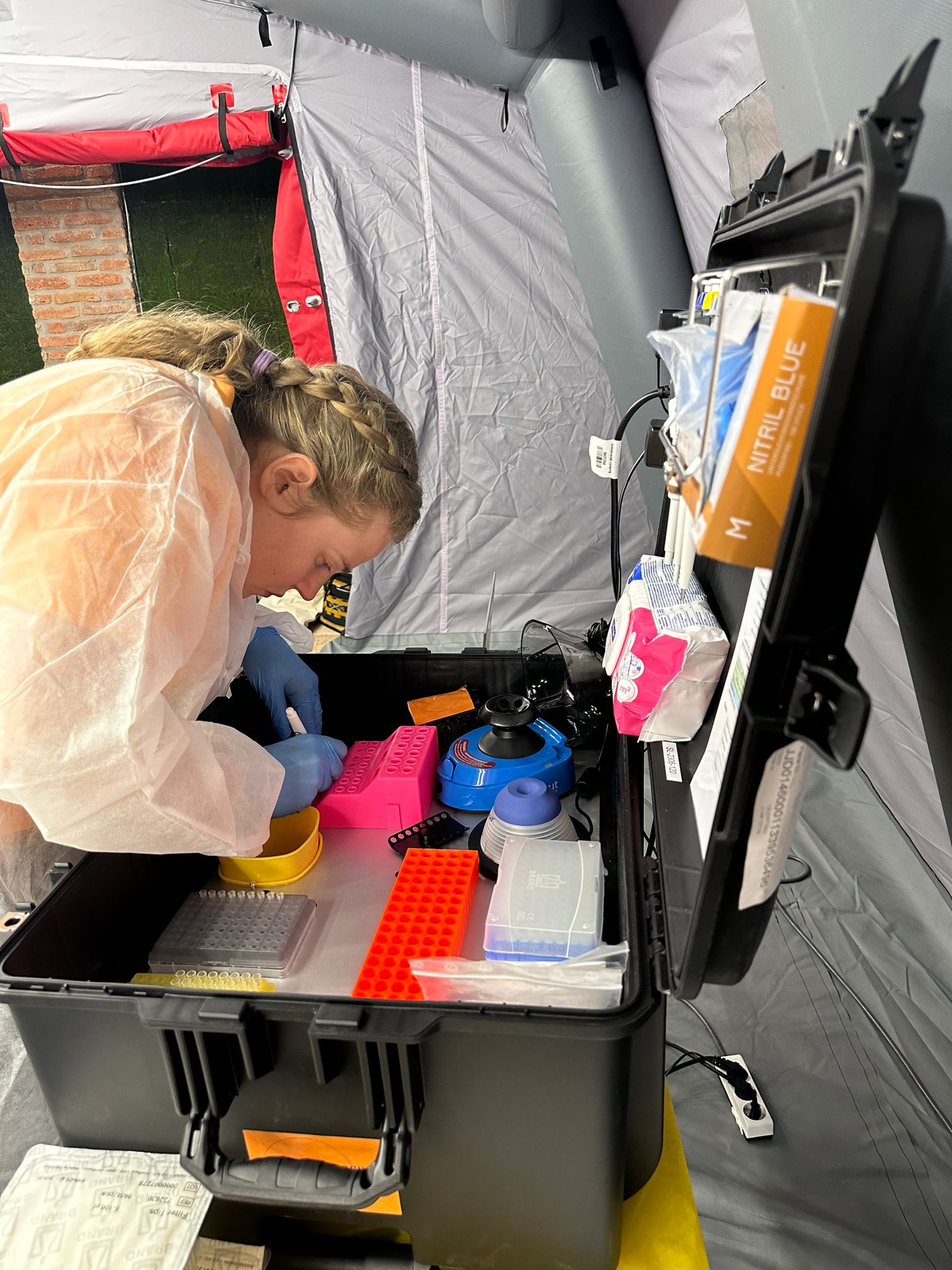
Auf diesem Foto durfte ich als Teil des Mobile Suitcase Lab Consortium an der WHO-Simulationsübung für Rapid Response Mobile Laboratories in Georgien 2024 teilnehmen. Es war meine allererste Dienstreise – und obwohl das noch gar nicht lange her ist, zeigt mir das Bild, wie viel ich seitdem dazulernen konnte.
Sonia Diaz-Monslave (Coordinator Global health l University of Freiburg)
Science moves forward when diverse voices are heard — and trusted.
This International Day of Women and Girls in Science is a reminder that, in a world facing complex and sometimes contested health challenges, strong and inclusive scientific leadership has never been more important.
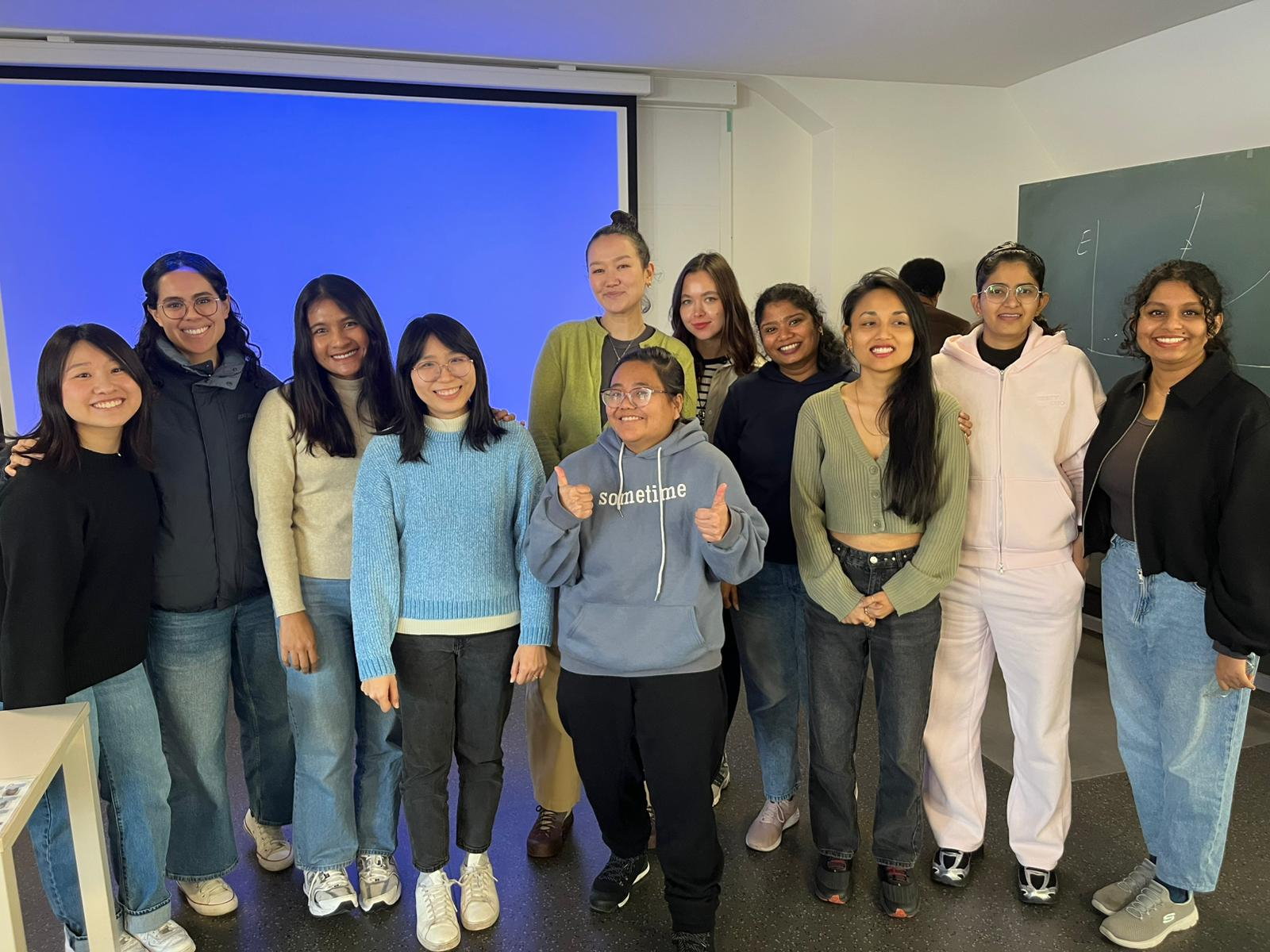
The powerful women of our Global Urban Health community represent a wide range of cultures (12 countries), disciplines (9), and experiences — yet share a common commitment: advancing health equity in an interconnected world.
Because the future of health depends on science that is collaborative, globally minded, and reflective of the societies it serves.
Today, we celebrate their presence, their leadership, and the future they are already helping to build.
Anita Payne
From hospital wards in Ghana to digital platforms reaching thousands, science is how I change lives.
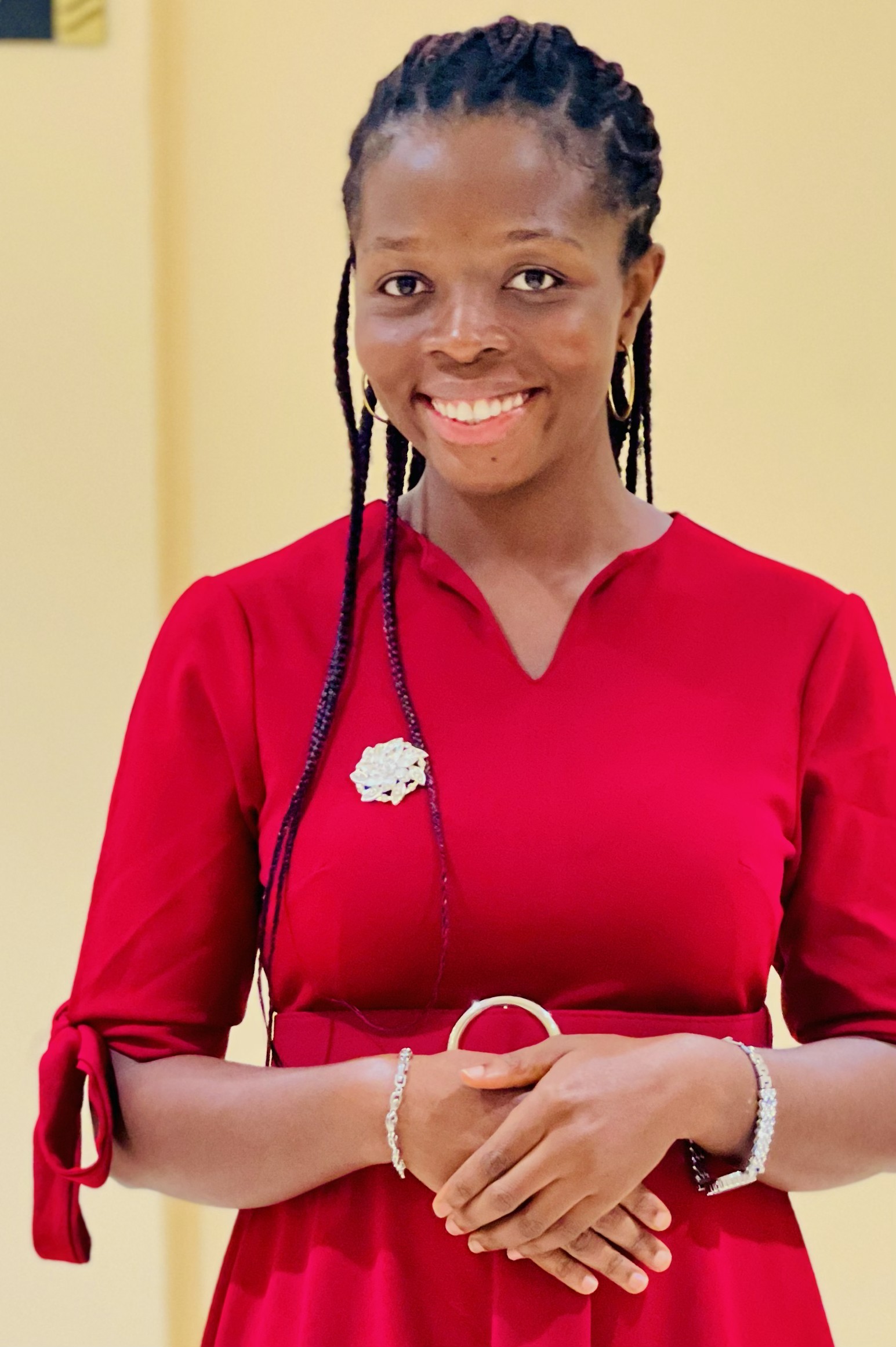
My name is Dr Anita Payne, a Pharmacist (PharmD) practicing in a hospital in Ghana, West Africa. I work to ensure medicines are used safely and effectively, helping patients manage chronic conditions and improve their quality of life.
Being a woman in science means turning knowledge into transformation. In Ghana, women in healthcare are not only clinicians but leaders and role models, showing young girls that they, too, belong in science.
Beyond the hospital, I educate the public through digital platforms, simplifying medical information and promoting responsible medicine use in a setting where access to reliable health information can be limited.
You may also view a feature of my work here:
https://youtu.be/sA5KeqTpc9I?si=I9M1Kjuc6B2fK7x8
Thank your for your thoughts and insights (and of course for your work in Science)!