


Profile Scientific Advisory Board 2026
Katja Hille, Dr. rer. nat., M.Sc. Epidemiology
Institution:
Niedersächsisches Landesgesundheitsamt
Infektionsepidemiologie und -surveillance
Expertise: Epidemiologie, One Health, Zoonosen
Forschungsinteresse: Sektorübergreifende Integration von Daten zu zoonotischen Erregern, Lebensmittelbedingte Infektionen, Antibiotikaresistenz
https://www.researchgate.net/profile/Katja-Hille
.jpg)
Dr. Isabelle Marie Kramer
Institution: Institut für Arbeitsmedizin, Sozialmedizin und Umweltmedizin an der Goethe Universität
Expertisen:Medizinische Entomologie
Forschungsinteressen: Medizinische Entomologie mit dem Schwerpunkt auf Stechmücken sowie deren phänotypischen und genotypischen Anpassungsmechanismen an unterschiedliche Umweltbedingungen, insbesondere im Kontext des Klimawandels. Ein zentrales Ziel meiner Arbeit ist es, durch ein besseres Verständnis der Biologie und Ökologie von Stechmücken fundiertere Vorhersagen zu ihrer zukünftigen Ausbreitung sowie zu damit assoziierten Krankheitserregern treffen zu können. Darüber hinaus arbeite ich sozialwissenschaftlich an präventiven Maßnahmen zur Stechmückenbekämpfung in Zusammenarbeit mit der Bevölkerung.
Schwerpunktaktivitäten im Ausland: internationale Forschungskooperationen in Europa und Asien
Astrid von Mentzer, Thomas R Connor, Lothar H Wieler, Torsten Semmler, Atsushi Iguchi, Nicholas R Thomson, David A Rasko, Enrique Joffre, Jukka Corander, Derek Pickard, Gudrun Wiklund, Ann-Mari Svennerholm, Asa Sjöling, Gordon Dougan: Identification of enterotoxigenic Escherichia coli (ETEC) clades with long-term global distribution. Nature Genetics 11/2014;, DOI:10.1038/ng.3145
Lennard Epping, Birgit Walther, Rosario M. Piro, Marie‑Theres Knüver, Charlotte Huber, Andrea Thürmer, Antje Flieger, Angelika Fruth, Nicol Janecko, Lothar H. Wieler, Kerstin Stingl & Torsten Semmler: Genome-wide insights into population structure and host specificity of Campylobacter jejuni. Scientific Reports 11(1), May 2021, DOI: 10.1038/s41598-021-89683-6
Christa Ewers, Anno de Jong, Ellen Prenger-Berninghoff, Farid El Garch, Ursula Leidner, Sumeet K. Tiwari and Torsten Semmler: Genomic Diversity and Virulence Potential of ESBL- and AmpC-β-Lactamase-Producing Escherichia coli Strains From Healthy Food Animals Across Europe. Frontiers in Microbiology 12, April 2021, DOI: 10.3389/fmicb.2021.626774
Silver A. Wolf, Lennard Epping, Sandro Andreotti, Knut Reinert, Torsten Semmler: SCORE: Smart Consensus of RNA Expression pipelines - a consensus tool for detecting differentially expressed genes in bacteria. Bioinformatics 2020, 1–3, DOI: 10.1093/bioinformatics/btaa681
Scheithauer S, Dilthey A, Bludau A, Ciesek S, Corman V, Donker T, Eckmanns T, Egelkamp R, Grundmann H, Häcker G, Kaase M, Lange B, Mellmann A, Mielke M, Pletz M, Salzberger B, Thürmer A, Widmer A, Wieler LH, Wolff T, Gatermann S, Semmler T: Etablierung der Genomischen Erreger-Surveillance zur Stärkung des Pandemie- und Infektionsschutzes in Deutschland [Establishment of genomic pathogen surveillance to strengthen pandemic preparedness and infection prevention in Germany]. Bundesgesundheitsblatt Gesundheitsforschung Gesundheitsschutz. 2023 Apr;66(4):443-449. DOI: 10.1007/s00103-023-03680-w. PMID: 36811648; PMCID: PMC9945818.

Prof. Dr. Fabian Leendertz
Institution: Helmholtz Institut für One Health (HIOH) Greifswald
Expertise: Fachtierarzt für Mikrobiologie; Zoonotische Infektionen in den Tropen, Epidemiologie, Ökologie, Wildtierkrankheiten, umfassende Surveillance bei Mensch und Tier
Forschungsinteresse: Zoonotische Infektionen bei Mensch und Tier in den Tropen sowie ökologischen und demographischen Faktoren, die diese beeinflussen. Wir arbeiten stets im Rahmen des "One Health" Konzeptes und in enger Kooperation mit unseren afrikanischen Partnern.
Schwerpunktaktivitäten im Ausland: Côte d'Ivoire, Demokratische Republik Kongo, Zentralafrikanische Republik, Gabun
Zeggini E, …, Leendertz FH, …, Peters A. 2025. Helmholtz Health taskforce to strengthen prevention research and its translation globally. Nature Medicine DOI: 10.1038/s41591-025-03590-1
Gogarten JF, Düx A., Gräßle T ... Calvignac-Spencer S, Leendertz FH. 2024. An ounce of prevention is better: Monitoring wildlife health as a tool for pandemic prevention. EMBO Reports DOI: 10.1038/s44319-024-00156-z
Lynggaard C, Calvignac-Spencer S …, Leendertz FH ... Bohmann, K., Gogarten JF. 2023. Vertebrate environmental DNA from leaf swabs. Current Biology DOI: 10.1016/j.cub.2023.06.031
Hockings KJ, Mubemba B, …, Leendertz FH. 2021. Leprosy in wild chimpanzees. Nature DOI: 10.1038/s41586-021-03968-4
Leendertz FH, Kalema-Zikusoka G. 2021. Vaccinate in biodiversity hotspots to protect people and wildlife from each other. Nature DOI: 10.1038/d41586-021-00690-z
Keita AK, Koundouno FR, Faye M, Düx A, Hinzmann J …, Duraffour S, Faye O, Leendertz FH, Peeters M, Toure A, Magassouba F. 2021. Resurgence of Ebola virus in 2021 in Guinea suggests a new paradigm for outbreaks. Nature DOI: 10.1038/s41586-021-03901-9
Patrono LV, Pleh K, …, Leendertz FH. 2020. Monkeypox virus emergence in wild chimpanzees reveals distinct clinical outcomes and viral diversity. Nature Microbiology DOI: 10.1038/s41564-020-0706-0
Hoffmann C, Zimmermann F,…, Leendertz FH. 2017. Persistent anthrax as a major driver of wildlife mortality in a tropical rainforest. Nature 548:82-86.
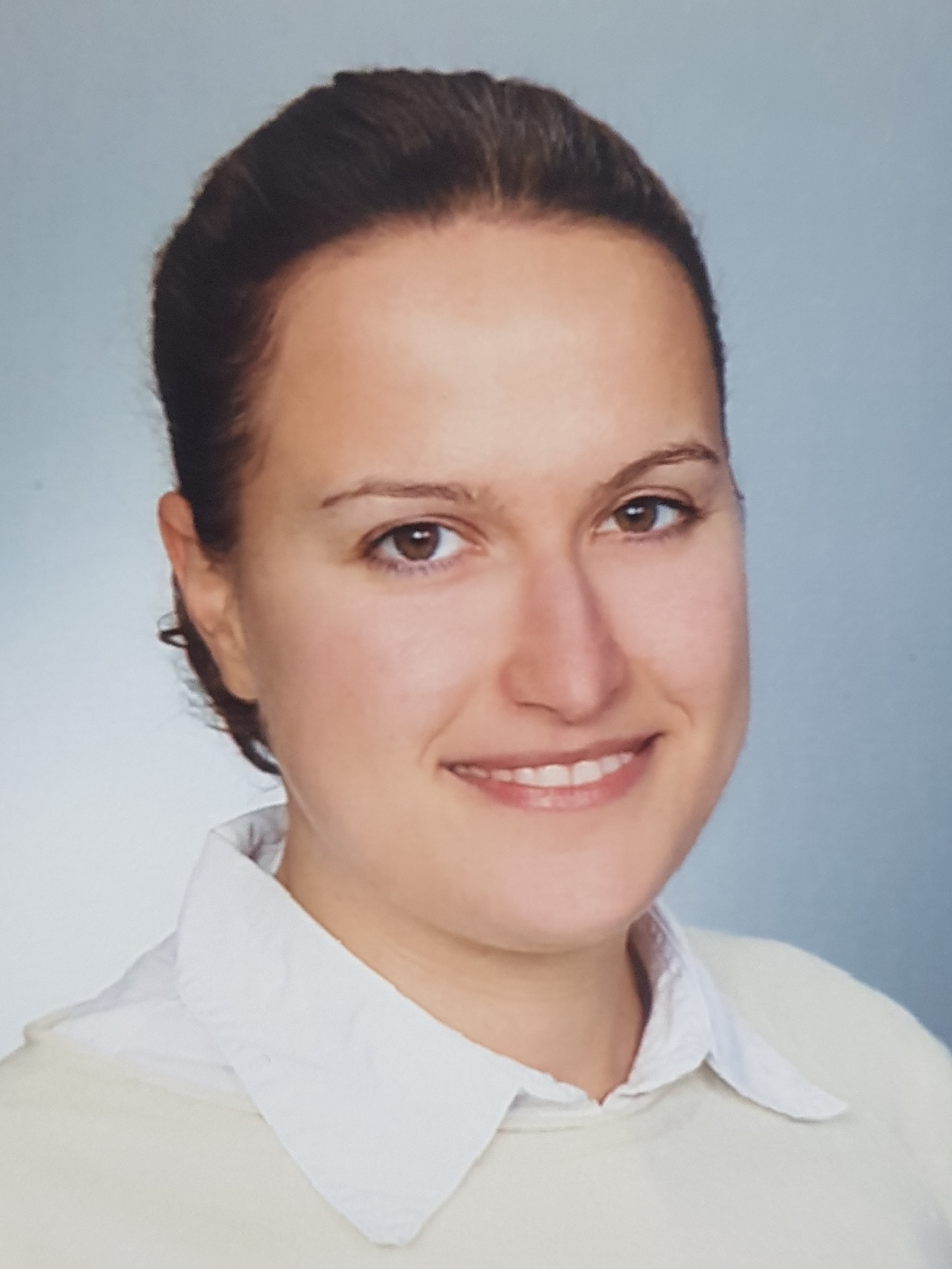
Dr. Ulrike Löber
Institution: Max Delbrück Center for Molecular Medicine (MDC), Berlin
Expertisen: One Health, Mikrobiom- und Viromforschung, antimikrobielle Resistenzen (AMR), Next-Generation Sequencing (NGS), funktionelle Metagenomik, Umwelt- und Wirtsmikrobiome, bioinformatische Datenanalyse
Forschungsinteressen: Mikrobiome, Viren und antimikrobielle Resistenzen an der Schnittstelle von Mensch, Tier und Umwelt; evolutionäre und ökologische Aspekte von Wirt–Mikroben-Interaktionen sowie deren Bedeutung für Gesundheit und Krankheit.
Schwerpunktaktivitäten im Ausland: Internationale Forschungskooperationen in Europa, Afrika (u. a. Uganda, Nigeria, Äthiopien) und Australien; Beteiligung an multinationalen One-Health-, Mikrobiom- und AMR-Projekten

Ludwig S, Hrincius ER, Boergeling Y (2019) The Two Sides of the Same Coin-Influenza Virus and Intracellular Signal Transduction..Cold Spring Harb Perspect Med. 2019 Dec 30. pii: a038513 (Review)
Preugschas HF, Hrincius ER, Mewis C, Tran GVQ, Ludwig S, and Ehrhardt C. (2019) Late activation of the Raf/MEK/ERK pathway is required for translocation of the RSV F protein to the plasma membrane and efficient viral replication. Cellular Microbiology. 17:e12955.
Boergeling Y, Rozhdestvensky TS, Schmolke M, Resa-Infante P, Robeck T, Randau G, Wolff T, Gabriel G, Brosius J, and Ludwig S (2015) Evidence for a Novel Mechanism of Influenza Virus-Induced Type I Interferon Expression by a Defective RNA-Encoded Protein. PLoS Pathogens. 11:e1004924
Liedmann S, Hrincius ER, Guy C, Anhlan D, Dierkes R, Carter R, Wu G, Staeheli P, Green D, Wolff T, McCullers JA, Ludwig S, and Ehrhardt C (2014) Viral suppressors of the RIG-I-mediated interferon response are pre-packaged in influenza virions. Nature Communications 5, 5645
Zell, R., Scholtissek, C., and Ludwig, S. (2013) Genetics, evolution, and the zoonotic capacity of European Swine influenza viruses. Current topics in microbiology and immunology 370, 29-55 (Review)

Priv.-Doz. Dr. Michael Mühlebach
Institution: Paul-Ehrlich-Institut (PEI), Langen
Expertisen: Virologie, Infektionskrankheiten, Impfstoffe (human/Vet), Prüfung von Impfstoffen, Biochemie/Biotechnologie; Tiermodelle
Forschungsinteressen: Impfstoffplattformtechnologien, Biologie der Masern, antivirale Immunantworten, „pandemic preparedness“
Prof. Dr. Folker Meyer
Institution: Medizinische Fakultät und Fakultät für Informatik, Universität Duisburg-Essen
Expertisen: Data Science, Genomik und Umweltgenomik, High-performance und Cloud Computing
Forschungsinteressen: Abwasser als Schnittstelle zwischen Krankenhaus und Umfeld
1. The RAST Server: Rapid Annotations using Subsystems Technology [https://link.springer.com/article/10.1186/1471-2164-9-75]
2. The metagenomics RAST server – a public resource for the automatic phylogenetic and functional analysis of metagenomes [https://link.springer.com/article/10.1186/1471-2105-9-386]
3. Metagenomics-a guide from sampling to data analysis [https://link.springer.com/article/10.1186/2042-5783-2-3]
4. Using clouds for metagenomics: a case study[https://ieeexplore.ieee.org/stamp/stamp.jsp?arnumber=5289187]
5. Small-scale wastewater-based epidemiology (WBE) for infectious diseases and antibiotic resistance: A scoping review [https://www.sciencedirect.com/science/article/pii/S1438463924000609]
6. Analyzing community wastewater in sub-sewersheds for the small-scale detection of SARS-CoV-2 variants in a German metropolitan area [https://www.sciencedirect.com/science/article/pii/S0048969723040810]
7. Skyport-container-based execution environment management for multi-cloud scientific workflows [https://www.researchgate.net/profile/Folker-Meyer/publication/283819413_Container_Orchestration_for_Scientific_Workflows/links/5a3ae940a6fdcc7ffe63f108/Container-Orchestration-for-Scientific-Workflows.pdf]
8. The M5nr: a novel non-redundant database containing protein sequences and annotations from multiple sources and associated tools [https://link.springer.com/article/10.1186/1471-2105-13-141]
9. The Earth Microbiome Project [https://link.springer.com/article/10.4056/aigs.1443528]
10. A Scalable Data Analysis Platform for Metagenomics [https://ieeexplore.ieee.org/stamp/stamp.jsp?arnumber=6691723]

Maresa Neuerer
Institution: Heidelberg Institute of Global Health, Universitätsklinikum Heidelberg
Expertisen: Global/One Health, Ethnologie, Geographie
Forschungsinteressen: Antimikrobielle Resistenzen, partizipative Ansätze, Implementierungsforschung, Mixed-Methods mit Schwerpunkt auf qualitativen Methoden
Schwerpunktaktivitäten im Ausland: Ghana, Burkina Faso, Senegal
Neuerer, M., Baxerres, C., Dekker, D., Bila, B., Arhinful, D., Aglanu, L.M., Akenten, C.W., Coulibaly, B., Sié, A., Amuasi, J.H., Souares, A. (2025). Exploring the Current Situation and Developing Strategies for Behavior Change to Improve Antibiotic Use in West Africa: Protocol for a Multidisciplinary Interventional Research Project. JMIR Research Protocols, 14:e66424. doi: 10.2196/66424

Priv.-Doz. Dr. med. habil. Corinna Pietsch
Institution: Institut für Medizinische Mikrobiologie und Virologie, Universitätsklinikum Leipzig
Expertisen: Fachärztin für Mikrobiologie, Virologie und Infektionsepidemiologie
Forschungsinteressen: Zoonotische Infektionen und One Health, Immunität und Wirtsantwort bei Virusinfektionen, Klinische Virologie und Virusdiagnostik, Molekulare Epidemiologie und Surveillance
PD Dr. Sven Poppert
Institution: Robert Koch Institut
Expertise: Parasiten, Pilze, Tropenmedizin
Forschungsinteresse: molekularbiologischer Erregernachweis, Infektionsepidemiologie

Dr. Michaela Projahn
Institution: Bundesinstitut für Risikobewertung, Abteilung für Biologische Sicherheit, Nationales Referenzlabor für Escherichia coli einschließlich VTEC
Expertise: Mikrobielle Genomik, Antibiotikaresistenzen und Pathogenitätsfaktoren, molekulare Epidemiologie, Lebensmittelmikrobiologie, Public Health
Forschungsinteresse: Forschung zu molekularer Epidemiologie, Infektionsbiologie, Transmissionsanalyse und genetischer Charakterisierung von (hoch)pathogenen und antibiotikaresistenten Bakterien. Derzeitiger Focus sind pathogene E. coli (STEC/EHEC) als bakterielle Zoonoseerreger aus dem Lebensmittelbereich bzw. entlang von Lebensmittelproduktionsketten mit Schnittstellen und Kooperationen mit der Human-/Veterinärmedizin

Maximilian Rohde
Institution: Helmholtz Zentrum für Infektionsforschung, Braunschweig
Expertisen: Virologie, Zoonosen, BSL-2 und BSL-3
Forschungsinteressen: virale zoonotische Infektionen, respiratorische Viren, Wirtsbarrieren sowie antivirale Medikamente
Schwerpunktaktivitäten im Ausland: Mitglied der “Swedish Society for Virology“

Dr. Claudia Ruscher
Institution: Landesamt für Gesundheit und Soziales Berlin
Expertisen:

Prof. Dr. Michael Schloter
Institution: Technische Universität München, Helmholtz-Zentrum München
Expertisen:Die Rolle von Interaktionen zwischen Mikroorganismen aus der Umwelt und dem humanen Mikrobiom für unsere Gesundheit
Forschungsinteressen: Mikrobiomforschung
Schwerpunktaktivitäten im Ausland: Implementation of SynComs in the production of high quality crops for healthy food (Brazil)
-
Le Provost G, …, Schloter M, …, Manning P (2023). The supply of multiple ecosystem services requires biodiversity across spatial scales. Nat Ecol Evol, 7, 236-249. https://doi.org/10.1038/s41559-022-01918-5
-
Hwang Y, …, Schloter M, Probst AJ (2021). Leave no stone unturned: Individually adapted xerotolerant Thaumarchaeota sheltered below the boulders of the Atacama Desert hyperarid core. Microbiome, 9, 234. https://doi.org/10.1186/s40168-021-01177-9 [Open Access, OA]
-
Berg G, …, Schloter M (2020). Microbiome definition re-visited: old concepts and new challenges. Microbiome, 8, 103. https://doi.org/10.1186/s40168-020-00875-0 [Open Access, OA]
-
Felipe-Lucia MR, …, Schloter M, …, Allan E (2020). Land-use intensity alters networks between biodiversity, ecosystem functions, and services. Proc Natl Acad Sci U S A, 117, 28140-28149. https://doi.org/10.1073/pnas.2016210117 [Open Access, OA]
-
Cania B, ..., Schloter M, Schulz S (2019). A long-term field experiment demonstrates the influence of tillage on the bacterial potential to produce soil structure-stabilizing agents such as exopolysaccharides and lipopolysaccharides. Env. Microbiome, 14, 1. https://doi.org/10.1186/s40793-019-0341-7 [Open Access, OA] T
-
Sáenz JS, …, Schloter M, …, Vestergaard G (2019). Oral administration of antibiotics increased the potential mobility of bacterial resistance genes in the gut of the fish Piaractus mesopotamicus. Microbiome, 7, 24. https://doi.org/10.1186/s40168-019-0632-7
-
Felipe-Lucia MR, ..., Schloter M., …, Allan E (2018). Multiple forest attributes underpin the supply of multiple ecosystem services. Nat., 9, 4839. https://doi.org/10.1038/s41467-018-07082-4 [Open Access, OA]
-
Soliveres S, …, Schloter M, …, Allan E (2016). Biodiversity at multiple trophic levels is needed for ecosystem multifunctionality. Nature, 536, 456-459. https://doi.org/10.1038/nature19092
-
Tourna M, …, Schloter M, …, Schleper C (2011). Nitrosophaera vinnensis, an ammonia oxidizing archaeaon from soil. PNAS, 108, 8420-8425. https://doi.org/10.1073/pnas.1013488108 [Open Access, OA]
-
Leininger S, ..., Schloter M, …, Schleper C (2006). Archaea predominate among ammonium oxidizing prokaryotes in soil. Nature, 442, 806-809. https://doi.org/10.1038/nature04983

Dr. Torsten Semmler
Institution: Robert Koch-Institut, Leiter des Genom-Kompetenzzentrums
Expertisen: Bioinformatik, mikrobielle Genomik, genomische Epidemiologie, Bakteriologie, Public Health
Forschungsinteressen: Bioinformatik mit Schwerpunkt auf mikrobieller Genomik, Hochdurchsatz-Genomanalysen, Populationsgenetik und molekularer Epidemiologie. Meine Forschung umfasst Themen wie die Evolution von Bakterien und molekulare Mechanismen für die Ausbreitung antimikrobieller Resistenzen. Derzeit leite ich ein Projekt zur Etablierung einer deutschlandweiten systematischen genomischen Surveillance von public health relevanten Infektionserregern.
Astrid von Mentzer, Thomas R Connor, Lothar H Wieler, Torsten Semmler, Atsushi Iguchi, Nicholas R Thomson, David A Rasko, Enrique Joffre, Jukka Corander, Derek Pickard, Gudrun Wiklund, Ann-Mari Svennerholm, Asa Sjöling, Gordon Dougan: Identification of enterotoxigenic Escherichia coli (ETEC) clades with long-term global distribution. Nature Genetics 11/2014;, DOI:10.1038/ng.3145
Lennard Epping, Birgit Walther, Rosario M. Piro, Marie‑Theres Knüver, Charlotte Huber, Andrea Thürmer, Antje Flieger, Angelika Fruth, Nicol Janecko, Lothar H. Wieler, Kerstin Stingl & Torsten Semmler: Genome-wide insights into population structure and host specificity of Campylobacter jejuni. Scientific Reports 11(1), May 2021, DOI: 10.1038/s41598-021-89683-6
Christa Ewers, Anno de Jong, Ellen Prenger-Berninghoff, Farid El Garch, Ursula Leidner, Sumeet K. Tiwari and Torsten Semmler: Genomic Diversity and Virulence Potential of ESBL- and AmpC-β-Lactamase-Producing Escherichia coli Strains From Healthy Food Animals Across Europe. Frontiers in Microbiology 12, April 2021, DOI: 10.3389/fmicb.2021.626774
Silver A. Wolf, Lennard Epping, Sandro Andreotti, Knut Reinert, Torsten Semmler: SCORE: Smart Consensus of RNA Expression pipelines - a consensus tool for detecting differentially expressed genes in bacteria. Bioinformatics 2020, 1–3, DOI: 10.1093/bioinformatics/btaa681
Scheithauer S, Dilthey A, Bludau A, Ciesek S, Corman V, Donker T, Eckmanns T, Egelkamp R, Grundmann H, Häcker G, Kaase M, Lange B, Mellmann A, Mielke M, Pletz M, Salzberger B, Thürmer A, Widmer A, Wieler LH, Wolff T, Gatermann S, Semmler T: Etablierung der Genomischen Erreger-Surveillance zur Stärkung des Pandemie- und Infektionsschutzes in Deutschland [Establishment of genomic pathogen surveillance to strengthen pandemic preparedness and infection prevention in Germany]. Bundesgesundheitsblatt Gesundheitsforschung Gesundheitsschutz. 2023 Apr;66(4):443-449. DOI: 10.1007/s00103-023-03680-w. PMID: 36811648; PMCID: PMC9945818.

Prof. Dr. Anja Widdig
Institution: Universität Leipzig, Max-Planck Institut für Evolutionäre Anthropologie (MPI EVA) Leipzig, Deutsches Zentrum für integrative Biodiversitätsforschung Halle-Jena-Leipzig (iDiv)
Expertisen: Biologin mit Schwerpunkt Verhaltensökologie, Ökologie, Nicht-menschliche Primaten, Genomik (insbesondere Inzucht und Erhalt der genetischen Diversität), Langzeitanalysen, Survival Analysen, Umweltbildung
Forschungsinteressen: Anpassung von Wildtieren auf anthropogene Einflüsse, soziale, demographische und ökologische Faktoren die Populationen und insbesondere deren Kindersterblichkeit beeinflussen
Schwerpunktaktivitäten im Ausland: Malaysia, Indonesien, Puerto Rico
1. Freudiger, A., Jovanovic, V. M., Huang, Y., Snyder-Mackler, N., Conrad, D. F., Miller, B., Montague, M. J., Westphal, H., Stadler, P. F., Bley, S., Horvath, J. E., Brent, L. J. N., Platt, M. L., Ruiz-Lambides, A., Tung, J., Nowick, K., Ringbauer, H., & Widdig, A. (2025). Estimating realized relatedness in free-ranging macaques by inferring identity-by-descent segments. Proceedings of the National Academy of Sciences of the United States of America, 122(3): e2401106122.
2. Holzner, A., Rameli, N. I. A. M., Ruppert, N., & Widdig, A. (2024). Agricultural habitat use affects infant survivorship in an endangered macaque species. Current Biology, 34, 410-416.
3. Chanvin, M., Lamarque, F., Diko, N., Agil, M., Micheletta, J., & Widdig, A. (2023). Ten years of positive impact of a conservation education program on children's knowledge and behaviour towards crested macaques (Macaca nigra) in the Greater Tangkoko Area, North Sulawesi, Indonesia. International Journal of Primatology.
4. Karimullah, K., Widdig, A., Sah, S. A. M., & Amici, F. (2022). Understanding potential conflicts between human and non-human-primates: A large-scale survey in Malaysia. Biodiversity and Conservation, 31, 1249-1266.
5. Lee, D. S., Mandalaywala, T., Dubuc, C., Widdig, A., & Higham, J. (2020). Higher early life mortality with lower infant body mass in a free-ranging primate. Journal of Animal Ecology, 89(10), 2300-2310.
6. Holzner, A., Ruppert, N., Swat, F., Schmidt, M., Weiß, B. M., Villa, G., Mansor, A., Sah, S. A. M., Engelhardt, A., Kühl, H. S., & Widdig, A. (2019). Macaques can contribute to greener practices in oil palm plantations when used as biological pest control. Current Biology, 29(20), R1066-R1067.
7. Engelhardt, A., Muniz, L., Perwitasari-Farajallah, D., & Widdig, A. (2017). Highly polymorphic microsatellite markers for the assessment of male reproductive skew and genetic variation in critically endangered crested macaques (Macaca nigra). International Journal of Primatology, 38(4), 672-691.
8. Widdig, A., Muniz, L., Minkner, M., Barth, Y., Bley, S., Ruiz-Lambides, A., Junge, O., Mundry, R., & Kulik, L. (2017). Low incidence of inbreeding in a long-lived primate population isolated for 75 years. Behavioral Ecology and Sociobiology, 71(1): 18.
9. Grimm, A. *., Weiß, B. M. *., Kulik, L., Mihoub, J.-B., Mundry, R., Köppen, U., Brueckmann, T., Thomsen, R., & Widdig, A. (2015). Earlier breeding, lower success: does the spatial scale of climatic conditions matter in a migratory passerine bird? Ecology and Evolution, 5(23), 5722-5734.
10. Kerhoas, D., Perwitasari-Farajallah, D., Agil, M., Widdig, A., & Engelhardt, A. (2014). Social and ecological factors influencing offspring survival in wild macaques. Behavioral Ecology, 25(5), 1164-1172.